









You have heard that ABA therapy turns children into robots. Someone told you it uses bribery and punishment. Another parent said it only works for young kids with severe autism. These claims circulate widely online and in parent groups. But are they true? Applied Behavior Analysis (ABA) is one of the most researched treatments for autism. Yet myths about it persist. This article takes the seven most common ABA therapy myths and breaks them down with facts. You will learn what ABA actually does, how it has evolved, and why thousands of families trust it.
Myth 1: ABA Therapy Is Only for Young Children
Many people believe ABA loses its effectiveness after age seven or eight. They think only toddlers and preschoolers benefit.
The Truth: ABA Works Across the Lifespan
ABA is a science of learning and behavior. That science applies to any age. A teenager learning job skills uses the same principles as a toddler learning to point. An adult working on conversation skills also benefits from ABA strategies.
Research shows positive outcomes for school age children, adolescents, and even adults. The goals simply change with age. A 4 year old might work on requesting a snack. A 14 year old might work on handling peer conflict. A 24 year old might work on interview skills. The methods adapt to the person, not the other way around.
Many clinics now offer specialized programs for older clients. For example, providers offering ABA Therapy in Silver Spring serve children, teens, and young adults. They design plans based on developmental level, not birthday.
Myth 2: ABA Therapy Uses Bribery and Rewards Only
Critics say ABA simply bribes children with candy or stickers. They claim this creates dependency on external rewards.
The Truth: Reinforcement Is Not Bribery
Bribery happens after a problem behavior occurs. A parent says, “Stop crying and I will give you a cookie.” That is bribery. It rewards the meltdown.
ABA uses reinforcement before problem behavior starts. The therapist reinforces positive actions as they happen. A child asks nicely for a break. The therapist says “Great asking” and gives a short break. That is reinforcement. It builds skills, not bad habits.
ABA also teaches delayed reinforcement. A child learns to work for a reward at the end of a lesson. Over time, natural rewards take over. The child feels proud of learning. They enjoy the activity itself. External rewards fade away.
Myth 3: ABA Therapy Tries to Make Autistic Children “Normal”
This myth suggests ABA forces children to hide their autism. Critics say it trains eye contact and quiet hands to make kids look non autistic.
The Truth: Modern ABA Respects Neurodiversity
Old school ABA did focus on compliance and making children appear typical. That version is no longer standard. Ethical ABA providers have changed completely.
Today’s ABA focuses on what matters to the child. Does eye contact cause pain or stress? Then the goal might shift to looking near the face or using a different social signal. Does hand flapping help the child regulate? Then ABA teaches when and where it is appropriate, not to stop entirely.
The field now emphasizes assent based practice. The child agrees to participate. The therapist stops if the child shows distress. Goals come from the family and the child’s own preferences. The aim is independence and happiness, not conformity.
Myth 4: ABA Therapy Is Only for Severe Autism
Many parents of children with mild traits think ABA is too intense. They believe it is only for non speaking children or those with serious behaviors.
The Truth: ABA Benefits All Levels of Autism
ABA is a flexible tool. It works for a child who struggles with transitions but speaks well. It works for a teenager who has social anxiety but high academic skills. It works for an adult who needs help with organization.
The intensity and focus change based on need. Some children need 20 hours a week of intensive teaching. Others need 5 hours of targeted social coaching. Some families use ABA just for toilet training or sleep problems.
Look for providers that offer tiered services. School Collaboration ABA Services are an excellent example. These programs work with higher functioning students directly in the classroom. They teach peer interaction, self advocacy, and emotional regulation without pulling the child out all day.
Myth 5: ABA Therapy Is Rigid and Does Not Allow Choice

People imagine a child sitting at a table for hours, drilled on flashcards. They think ABA ignores the child’s interests and forces repetitive tasks.
The Truth: Natural Environment Teaching Is Standard
Modern ABA happens on the floor, in the backyard, at the grocery store, and on the playground. Natural Environment Teaching (NET) uses the child’s own motivation. If a child loves dinosaurs, the therapist uses dinosaur toys to teach colors, counting, and turn taking.
The child chooses activities whenever possible. The therapist follows the child’s lead and embeds learning into play. Rigid drills are rare. They are only used for specific skills that need repetition, like letter sounds or safety words. Even then, sessions are broken into short, fun chunks.
Myth 6: ABA Therapy Is Harmful and Causes PTSD
This is one of the most painful myths for parents to hear. Some former clients have shared traumatic experiences from early, poorly done ABA. Those stories spread quickly online.
The Truth: Poorly Done ABA Is Harmful. Good ABA Is Not.
Any therapy can cause harm when done badly. Physical therapy with a rough therapist can hurt. Talk therapy with a judgmental counselor can damage trust. ABA is no different.
The studies that show negative outcomes often refer to outdated practices from the 1970s and 1980s. Those practices used aversives like yelling or restraint. They are illegal or banned by ethics codes today.
Modern ABA uses positive methods only. Therapists are trained to detect distress. They stop immediately if a child shows fear, pain, or shutdown. Supervision and ongoing training catch problems early. Families observe sessions anytime. Good ABA feels playful and supportive, not punishing.
Myth 7: ABA Therapy Ignores Emotions and Mental Health
Critics claim ABA only cares about observable behavior. They say it ignores anxiety, sadness, and internal experiences.
The Truth: Behavior Analysts Treat the Whole Person
Behavior is the language of emotion. A child who cries and hides under a table is showing anxiety. A teenager who refuses to go to school is showing distress. ABA does not ignore these feelings. It takes them seriously.
Behavior analysts work alongside psychologists, social workers, and counselors. They teach emotion vocabulary. “Is your stomach tight? That might be worry.” They teach coping skills. “Let’s try three deep breaths.” They build tolerance for hard feelings in small, safe steps.
Many ABA programs now include cognitive behavioral techniques. The goal is not to suppress emotion. The goal is to give the child tools to manage emotion independently.
What Modern ABA Therapy Actually Looks Like
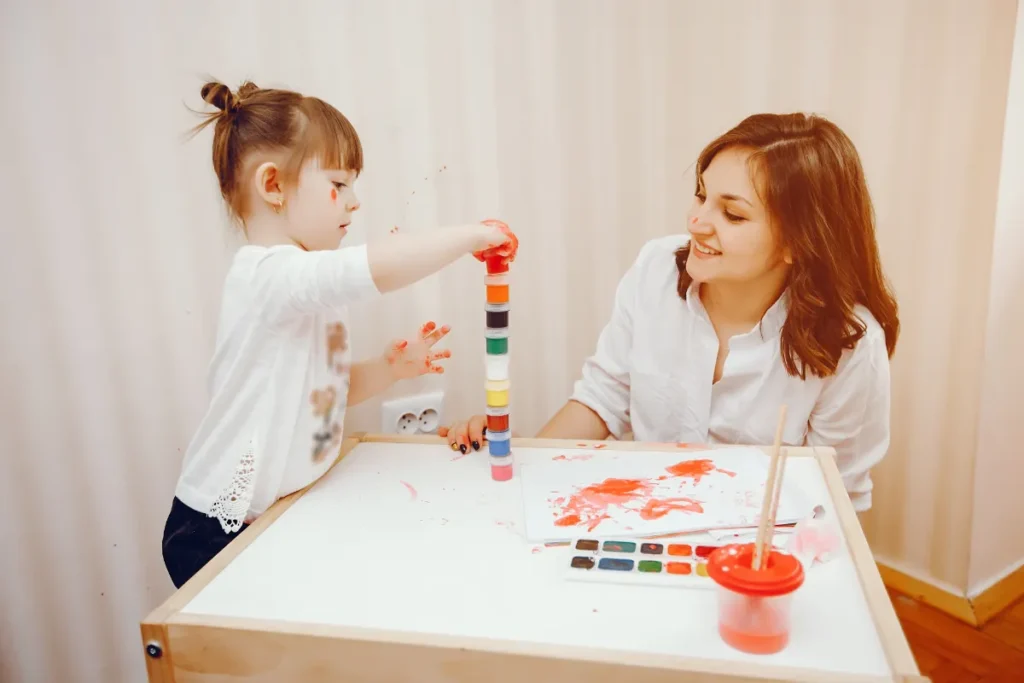
Let me paint a picture of a typical session today. A therapist arrives at your home. She sits on the floor with your child. Your child loves spinning toys. She spins a top and then pauses. Your child looks at her. She says “more” and hands him a button to press. He presses it. She spins again. That is teaching communication through play.
Later, your child gets frustrated with a puzzle. He throws a piece. The therapist calmly blocks the throw. She says “I see you are frustrated. Let’s say ‘help’.” She models the word. He repeats “help.” She helps him place the piece. That is teaching emotional regulation.
At the end of the session, she reviews data on her tablet. She notes that your child requested a break three times without prompting. That is progress. She shares that win with you. You feel hopeful.
This is not robotic. It is not harmful. It is careful, kind teaching.
The Evidence Behind ABA Therapy
ABA is not a fad. Over 40 years of research support its use. The US Surgeon General endorses ABA. The American Academy of Pediatrics calls it an effective treatment. More than 20 studies show significant gains in IQ, language, and daily living skills.
Long term studies show that children who receive early intensive ABA are more likely to attend regular education classrooms. They are more likely to live independently as adults. These outcomes matter to families.
Frequently Asked Questions About ABA Therapy Myths
Here are answers to the most common questions parents ask after hearing myths.
1. Does ABA therapy use electric shocks or physical punishment?
No. Electric shocks have never been part of standard ABA. A single controversial institution used them decades ago. That practice has been widely condemned and is illegal in most states. Modern ABA uses only positive reinforcement. Physical punishment is never allowed.
2. Will ABA therapy stop my child from stimming?
Good ABA does not stop harmless stimming. Stimming like hand flapping, rocking, or humming serves a purpose. It may calm the child or help with focus. ABA only addresses stimming that causes harm. For example, head banging or scratching until bleeding. Even then, the goal is to replace the harmful stim with a safer one, not to eliminate all movement.
3. How many hours of ABA therapy does my child need?
There is no one size fits all answer. Some children need 10 hours a week. Others need 30. The right amount depends on your child’s challenges, age, and stamina. A good provider does an assessment first. They recommend hours based on data, not a preset number.
4. Does insurance cover ABA therapy?
Most private insurance plans cover ABA if your child has an autism diagnosis. Medicaid also covers ABA in most states. Check your specific plan for limits on hours or age. Some plans require a deductible. Others cover 100 percent. Call member services and ask for the behavioral health benefits department.
5. Can ABA therapy be done at school?
Yes. Many providers offer School Collaboration ABA Services. These programs place a behavior technician or consultant in the classroom. They work with the teacher to support your child during the school day. This approach helps skills generalize. Your child learns to use new behaviors where they actually need them.
6. What is the difference between ABA and other therapies like speech or OT?
ABA focuses on behavior and learning principles. Speech therapy focuses on communication specifically. Occupational therapy focuses on sensory and motor skills. The best treatment plans combine all three. ABA and speech often work together. The ABA therapist reinforces the communication goals set by the speech therapist.
7. How do I find a good ABA provider?
Ask these questions before signing up:
- Do you use positive reinforcement only?
- Do you allow parents to observe sessions?
- How do you handle a child who is upset or refusing?
- What training do your therapists receive?
- Do you assess for assent and stop when a child says no?
Trust your gut. A good provider welcomes questions. They show you data on progress. They listen to your concerns.
8. Is ABA therapy only for autism?
No. ABA is used for many conditions. It helps children with ADHD learn organization. It helps adults with traumatic brain injury rebuild daily skills. It helps people with obsessive compulsive disorder reduce rituals. The principles of learning apply to everyone. Autism is just the most common application.
Final Thoughts and Key Takeaways
You have now heard the seven biggest ABA therapy myths debunked one by one. ABA is not just for young kids. It does not use bribery. It respects neurodiversity. It works for all levels of autism. It is flexible, not rigid. Good ABA is not harmful. And it absolutely addresses emotions.
The next time someone shares a horror story, ask questions. When was that therapy done? What methods were used? Was the provider certified? The field has changed dramatically. Do not let outdated fears block your child from effective help.
If you live in Maryland, you have options. Look for providers offering ABA Therapy in Silver Spring that emphasize play based, assent driven care. Ask about School Collaboration ABA Services to bridge the gap between home and classroom.
A diagnosis of autism opens many doors. ABA is one of the most powerful keys you can turn. With the right provider, your child will not lose themselves. They will find more of who they are. They will gain skills, confidence, and joy. That is the real promise of modern ABA therapy.